A roof leak, storm damage, or an aging roof can leave you facing a decision you may not have expected to make. In Florida, where roofs withstand intense heat, heavy rain, humidity, and hurricane-season winds, choosing the right contractor matters.
To hire a roofing contractor in Seminole County, verify their license and insurance, compare detailed written estimates, ask who will handle permits, and review the contract and warranties before signing. These steps can help you choose a roofer who understands your home and explains the work clearly.
1. Start With Your Roofing Concern
Before contacting contractors, make a short list of what you've noticed. This will help you explain the problem and compare the recommendations you receive.
Look for signs you can see safely from the ground or inside your home, such as:
- Water stains on ceilings or walls
- Missing, lifted, or visibly damaged shingles
- Broken or displaced roof tiles
- Leaks during or after heavy rain
- Recurring repairs or concerns about the roof's age
Don't climb onto your roof to investigate. A roofing professional can assess the roof and determine whether visible symptoms point to a localized issue or a larger problem.
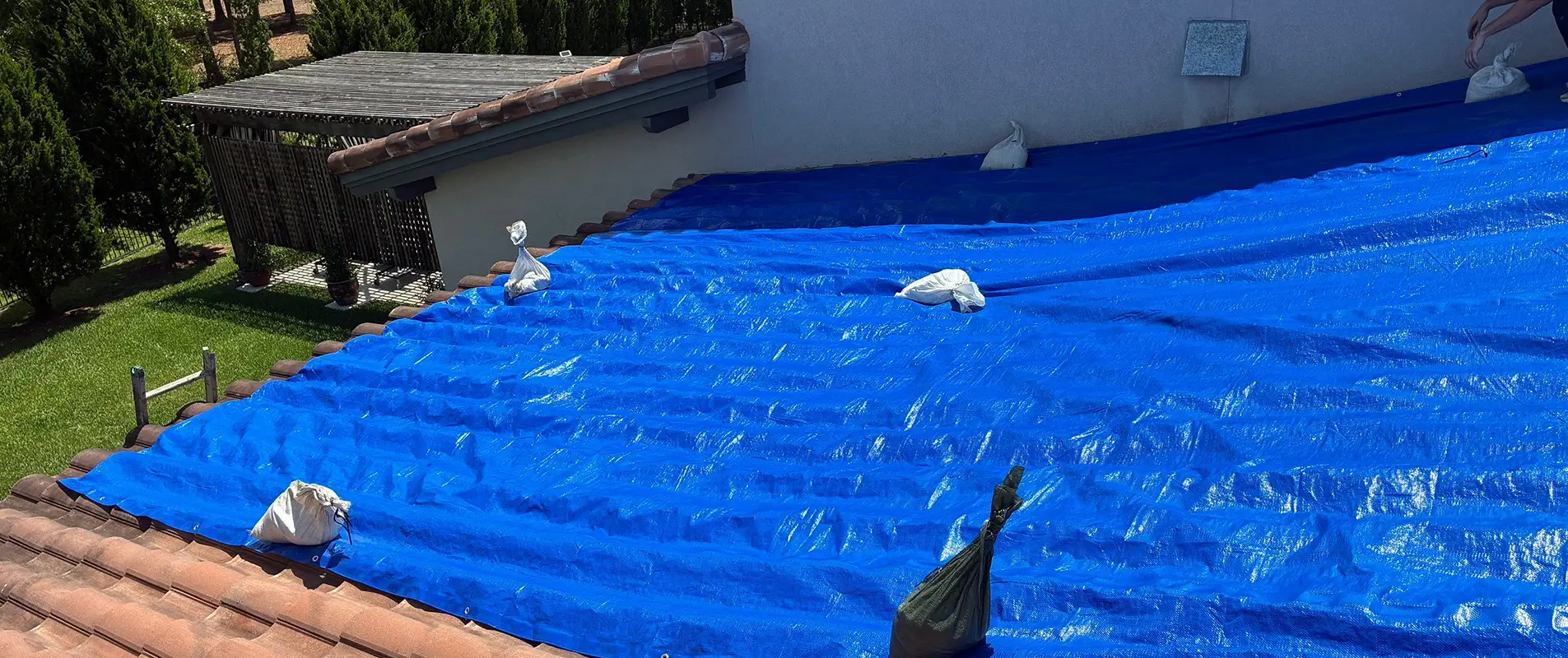
If you suspect storm damage, take photographs from a safe location. If water is entering your home, take reasonable, safe steps to protect your belongings and prevent further damage. Contact your insurer promptly about documenting the damage, temporary protection, and the claims process. Keep receipts for any temporary work.
Should You Repair or Replace Your Roof?
The answer depends on the roof's condition, age, and the extent of the damage. A localized problem may be suitable for roof repair, while widespread damage or repeated issues may make roof replacement worth considering.
Ask each contractor to explain why they recommend one option over the other. You can also read our guide to roof repair versus replacement in Longwood for a closer look at the decision.
2. Verify the Contractor's Florida License
Before inviting a contractor to inspect your roof or signing an agreement, check that they have an active, appropriate Florida license.
Use the Florida Department of Business and Professional Regulation's license verification search. Ask the company for its license information and compare it with the state record. Check that the license is active, covers the type of work proposed, and is associated with the business you intend to hire.
If your county has additional licensing requirements, check those with the appropriate local licensing office. Florida's Attorney General recommends verifying licensing and insurance before hiring a contractor.
Ask: "What name and license number should I use to verify your roofing business?"
3. Check Insurance and Workers' Compensation
Ask for a current certificate of general liability insurance and proof of workers' compensation coverage or a valid exemption, as applicable. Check that the documents relate to the business and people doing your work, and contact the insurer to verify that the policy is current.
Florida's Office of the Insurance Consumer Advocate provides links to check workers' compensation coverage and exemptions. An exemption is not the same as insurance coverage, so ask what it means for your project.
Ask: "Can you provide current proof of coverage and explain who will be working on my roof?"
4. Compare at Least Three Detailed Estimates
The Florida Attorney General recommends getting at least three written, itemized estimates. Estimates can reveal differences in materials, scope, and assumptions that aren't obvious from the total price.
Ask each roofer to include as much of the following as applicable:
Scroll sideways to view the full table.
| What to Compare | What to Look For |
|---|---|
| Scope of Work | The areas being repaired or replaced and whether existing roofing will be removed |
| Materials | Proposed roofing material, underlayment, flashing, and other components |
| Decking | How damaged decking will be handled and how additional work will be priced |
| Permits and Inspections | Who obtains required permits and arranges inspections |
| Cleanup | Debris removal and how the property will be left |
| Schedule and Payment | Estimated dates, deposit, and payment milestones |
| Warranty | Material and workmanship coverage, including exclusions |
An unusually low estimate isn't automatically a bargain. It may reflect a different scope, materials, or allowances. Ask each contractor to explain what's included and what could change the final price.
5. Ask About Florida Experience and Local References
Wind-driven rain, strong sun, humidity, and storm exposure can all affect the questions you ask about roofing materials and installation.
Look for a contractor who can explain how the proposed approach fits your home, roof type, location, and applicable local requirements. Ask for recent local references and, where practical, speak with homeowners who had similar work done. Florida's Insurance Consumer Advocate recommends requesting local references, preferably less than 12 months old.
Questions to ask include:
- Have you worked on roofs like mine in this area?
- What did you find during the inspection?
- How will the proposed materials address my roof's condition and exposure?
- Who will supervise the project and be my point of contact?
- How do you handle unexpected damage once work begins?
A good contractor should explain the work in terms you can understand, without pressuring you to make an immediate decision.
6. Confirm Who Handles Permits and Inspections
Permit requirements depend on the work and the local building department. Ask your contractor whether a permit is needed, who will obtain it, and which inspections are required.
The Florida Insurance Consumer Advocate recommends having the contract state that the contractor will obtain necessary permits. You can also contact your local building department to confirm requirements and check the permit and inspection status.
Ask: "Will you obtain the required permit, and how can I confirm when the final inspection is complete?"
7. Read the Contract and Warranties Before Signing
A written estimate helps you compare options; the contract establishes what you're agreeing to. Read it carefully and keep a copy before work begins.
Look for:
- The contractor's business information and a clear description of the work
- Materials, estimated dates, total price, and payment schedule
- How unexpected work and price changes will be approved
- Permit responsibilities and cleanup
- Cancellation terms and any financing documents
- Warranty details and conditions you must meet
Don't sign a document with blank sections or terms you don't understand. If a contractor asks you to sign a direction to pay or similar insurance-related agreement, ask what it authorizes and seek advice before signing. Such agreements can affect how an insurer pays a contractor.
What's the Difference Between Roofing Warranties?
A manufacturer's warranty generally addresses eligible material issues under its terms. A workmanship warranty addresses installation-related issues under the contractor's terms.
Ask for both warranties in writing. Check their duration, exclusions, transfer rules, registration requirements, and who to contact if there's a problem. Coverage varies, so don't assume every issue is included.
8. Plan Payments and Protect Against Liens
A deposit may be part of a roofing agreement, but the amount and payment schedule should be clear before you sign. Avoid paying the entire price upfront, and keep receipts and records of every payment. The Florida Attorney General also advises homeowners to be cautious about large deposits.
Before final payment, confirm that the agreed work is complete, required inspections have been addressed, and you have the relevant documents. Ask about lien releases from subcontractors and suppliers and the contractor's final payment affidavit. Florida's Insurance Consumer Advocate explains that unpaid suppliers or subcontractors may have lien rights even when a homeowner has paid the contractor.
Lien rules can be complex. If you're unsure which documents apply to your project, seek advice from a qualified professional.
9. Be Careful With Storm-Related Offers and Insurance Promises
After a major storm, you may hear from contractors you don't know. Some may be legitimate, but you should still verify their credentials and take time to review their offer.
Be cautious if someone:
- Pressures you to sign immediately or offers a "today only" price
- Asks for full payment upfront or insists on cash only
- Won't provide license information, insurance documents, or references
- Promises a free roof or offers to waive your insurance deductible
- Guarantees your insurance claim will be approved
- Encourages you to sign paperwork you haven't had time to read
Florida's Insurance Consumer Advocate identifies these types of pressure and promises as warning signs.
If damage may be covered, contact your insurer promptly about the claim and inspection process before agreeing to permanent repairs. Don't put yourself at risk or delay reasonable temporary protection to prevent further damage. Coverage depends on your policy and the circumstances; a roofing contractor should not guarantee the outcome of a claim.
Questions to Ask Before Hiring a Florida Roofer
Use this checklist when speaking with contractors:
- Is your Florida roofing license active, and what name and number can I verify?
- Can you provide proof of general liability and workers' compensation coverage or a valid exemption?
- What did your inspection find, and why do you recommend repair or replacement?
- What materials and work are included in the written estimate?
- How will you price and obtain approval for unexpected work?
- Who will obtain required permits and arrange inspections?
- What are the payment milestones?
- What do the material and workmanship warranties cover?
- Can you provide recent local references?
- What documents will I receive before final payment?
Frequently Asked Questions
How do I know if a roofing contractor is licensed in Florida?
Ask for the contractor's license information and search the DBPR license verification portal. Check that the license is active, appropriate for the work, and associated with the business you're hiring.
Should I choose the lowest roofing estimate?
Not necessarily. Compare the scope, materials, permit responsibilities, warranties, and potential additional costs, not just the total. Ask contractors to explain significant differences before deciding.
Does homeowners insurance cover roof damage in Florida?
It depends on your policy and the cause and circumstances of the damage. Contact your insurer or insurance agent for information about your coverage and claims process. Be cautious of anyone who promises a particular claim outcome.
Do I need a permit for a roof repair or replacement?
Requirements vary by project and location. Ask your contractor and local building department whether a permit and inspections are required for your work.
Get Honest Guidance From Collis Roofing
Choosing a roofer should leave you feeling informed, not rushed. Collis Roofing is a family-owned Florida roofing company that has served homeowners since 1994, helping them navigate roof repairs and replacements with a focus on roofing done right and peace of mind.
Have a roof concern? Call Collis Roofing at (321) 441-2300. If you're considering a new roof, you can also get a free Quick Quote for an initial property-specific replacement estimate.